Switching 2nd is one of the most essential skills every manual driver must master. It’s the moment when power, timing, and precision come together to create a smooth transition from first to second gear. Whether you’re learning to drive or refining your technique, understanding this process builds confidence and control on the road.
In the USA, many drivers find switching 2nd challenging, especially when learning clutch coordination for the first time. A smooth shift reduces jerks, prevents engine strain, and improves vehicle performance. It’s not just a technical move—it’s an art that connects you with your car. The better you master it, the more effortless your driving experience becomes.
Understanding Switching 2nd: What It Really Means
Switching 2nd refers to the process of moving from first gear to second gear in a manual transmission vehicle. It’s a key step in gaining speed after starting the car. When done properly, switching 2nd keeps the engine balanced, maintains torque, and ensures a seamless flow of power to the wheels.
During switching 2nd, the coordination between the clutch, accelerator, and gear lever determines how smooth the transition will be. Timing plays a major role here—release the clutch too soon, and you’ll feel a jolt; too late, and the car may stall. Knowing the mechanics behind it helps every driver build better instincts on the road.
Why Switching 2nd Matters: Performance, Safety and Control
The importance of switching 2nd goes beyond comfort—it directly impacts performance and safety. A well-timed shift ensures the car accelerates smoothly without stressing the engine. Inconsistent or rushed gear changes can lead to unnecessary wear on the clutch or even transmission damage over time.
From a safety standpoint, switching 2nd correctly gives drivers more control over speed, especially in traffic or uphill conditions. Smooth transitions prevent sudden jerks that can surprise other drivers and make your ride more predictable. It’s a small action that creates a big difference in how your vehicle responds on the road.
Step-by-Step Guide: How to Switch 2nd Gear Smoothly
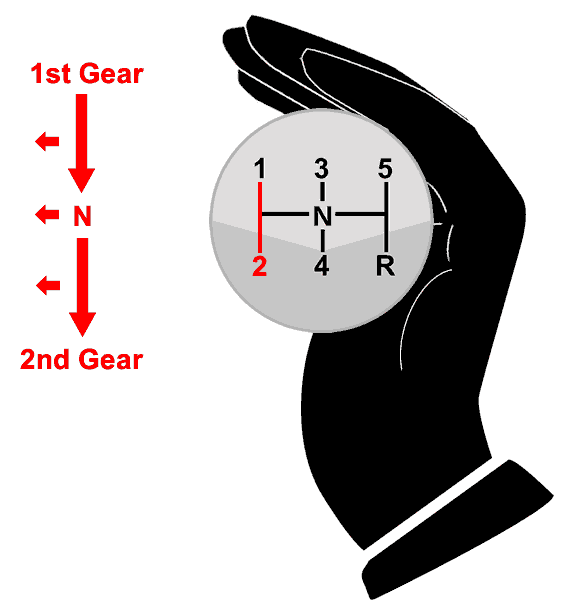
To begin switching 2nd, start in first gear and accelerate until the engine reaches a moderate RPM range, typically around 2500–3000 for most cars. Gently press the clutch pedal down fully, move the gear stick straight from first to second, and release the clutch gradually while applying light pressure to the accelerator.
Consistency and rhythm are the secrets to switching 2nd successfully. Avoid letting the clutch snap back quickly, as this causes jerks and discomfort. Instead, feel the balance point where the car starts pulling forward smoothly. Practicing in a calm area like an empty parking lot helps build muscle memory and confidence before hitting busy roads.
Advanced Techniques for Mastering the 2nd Gear Shift
As you grow more comfortable switching 2nd, you can explore advanced techniques like rev-matching or double clutching. These methods help synchronize engine speed with gear movement, resulting in smoother transitions and less mechanical stress. Performance drivers often use these techniques to optimize speed and handling.
Another advanced trick is mastering switching 2nd on different terrains. On uphill roads, use slightly higher RPMs before shifting to maintain momentum. On slippery or wet surfaces, be gentle with both clutch and throttle to prevent wheel spin. Understanding how conditions affect switching 2nd allows you to adapt and stay in full control.
Common Mistakes When Switching 2nd and How to Fix Them
Many new drivers experience common issues when switching 2nd, such as jerking, gear grinding, or stalling. These usually happen due to poor clutch timing or shifting too early or late. The best fix is to listen to the engine and observe RPM levels before making the move.
Another common mistake is resting your hand on the gear lever or riding the clutch for too long. Both habits cause long-term wear. To correct this, practice full clutch engagement and smooth lever movement. A mindful approach to switching 2nd transforms shaky gear changes into effortless, professional-level shifts.
Tips for Building Confidence When Switching 2nd
Confidence while switching 2nd comes with patience and repetition. Start by practicing short drives where your focus is only on gear changes. Learn to feel the connection between clutch release and engine response. Over time, your hands and feet will move instinctively, without conscious thought.
If you’re anxious about stalling, remind yourself that even experienced drivers occasionally misjudge timing. Every smooth shift you make builds more confidence. Stay relaxed, breathe, and focus on control rather than speed. With practice, switching 2nd will become second nature—just like turning the steering wheel.
Maintenance Tips to Support Smooth Shifting
Keeping your car in top condition is vital for successful switching 2nd. Regularly check clutch fluid levels, gear oil, and pedal resistance. A worn-out clutch or low transmission fluid can make gear changes feel rough or sticky. Proper maintenance ensures consistent performance and longer component life.
In colder U.S. climates, let the engine warm up before switching 2nd aggressively. Cold oil thickens and slows gear engagement. In warmer regions, focus on fluid checks and periodic clutch adjustments. A well-maintained vehicle responds quickly, making switching 2nd smooth, safe, and reliable every time you drive.
Conclusion: Drive with Confidence and Master the Shift
Switching 2nd is more than a driving technique—it’s a vital skill that represents control, timing, and awareness. Once you master it, you’ll notice your car moving effortlessly, your confidence growing, and your connection to the road strengthening. Smooth shifts define great drivers.
With consistent practice and proper maintenance, switching 2nd becomes a natural rhythm that enhances every driving experience. It’s not about perfection on day one—it’s about steady progress. Embrace the learning process, trust your instincts, and enjoy every smooth transition on your journey.
Frequently Asked Questions (FAQs)
What does switching 2nd mean in driving?
It refers to changing from first to second gear in a manual car, a crucial move for gaining speed smoothly.
Why does my car jerk when switching 2nd?
This often happens due to clutch timing issues or releasing the clutch too fast. Practice gradual release and steady acceleration.
How can I switch 2nd smoothly?
Press the clutch fully, shift gears smoothly, and release the clutch slowly while adding throttle.
Does switching 2nd affect fuel efficiency?
Yes, smoother transitions help optimize fuel use by keeping the engine at its ideal RPM range.
Is switching 2nd harder on hills?
Yes, it requires more throttle and timing precision to maintain momentum without rolling backward.