Lake Texoma Should Be Capitalized because it represents more than just a body of water—it symbolizes history, geography, and language working together. The name reflects a landmark that connects two great American states, Texas and Oklahoma. For writers, tourists, and grammar enthusiasts alike, understanding why Lake Texoma Should Be Capitalized is a matter of respect for both grammar and heritage.
Lake Texoma Should Be Capitalized because it is not a common noun; it’s a proper name belonging to one of the largest reservoirs in the United States. When you capitalize Lake Texoma, you’re acknowledging its identity and cultural importance. This article explores why grammar rules, cultural meaning, and geographical pride all intersect in this iconic American landmark.
Understanding Why Lake Texoma Should Be Capitalized
Lake Texoma Should Be Capitalized under the fundamental rule of English grammar that states proper nouns must always begin with capital letters. Just like Lake Michigan or Lake Tahoe, Lake Texoma is a specific, named location—not a general lake. This distinction makes capitalization not only grammatically correct but also contextually accurate.
Many writers make the mistake of writing “lake texoma” in lowercase, often out of haste or unfamiliarity with grammar conventions. However, every proper place name deserves its distinction. By capitalizing Lake Texoma, you highlight its uniqueness among thousands of lakes in the United States and give due recognition to its historical and geographical significance.
The Grammar Rule Explained: Proper Nouns and Place Names
In English, capitalization rules are crucial for clarity and correctness. Proper nouns—names of specific people, places, or things—always begin with capital letters. Therefore, Lake Texoma Should Be Capitalized because it identifies one distinct geographical entity. The same rule applies to landmarks like Mount Rushmore, Grand Canyon, and Niagara Falls.
When the word “lake” precedes a unique name, both words are capitalized. But if it comes after the name, only the proper noun is capitalized. For example, “Lake Texoma” and “Texoma Lake” follow different structures, yet the principle remains: names of specific locations must stand out. This linguistic precision ensures respect for identity and readability in both writing and speech.
Cultural Meaning Behind the Name Lake Texoma
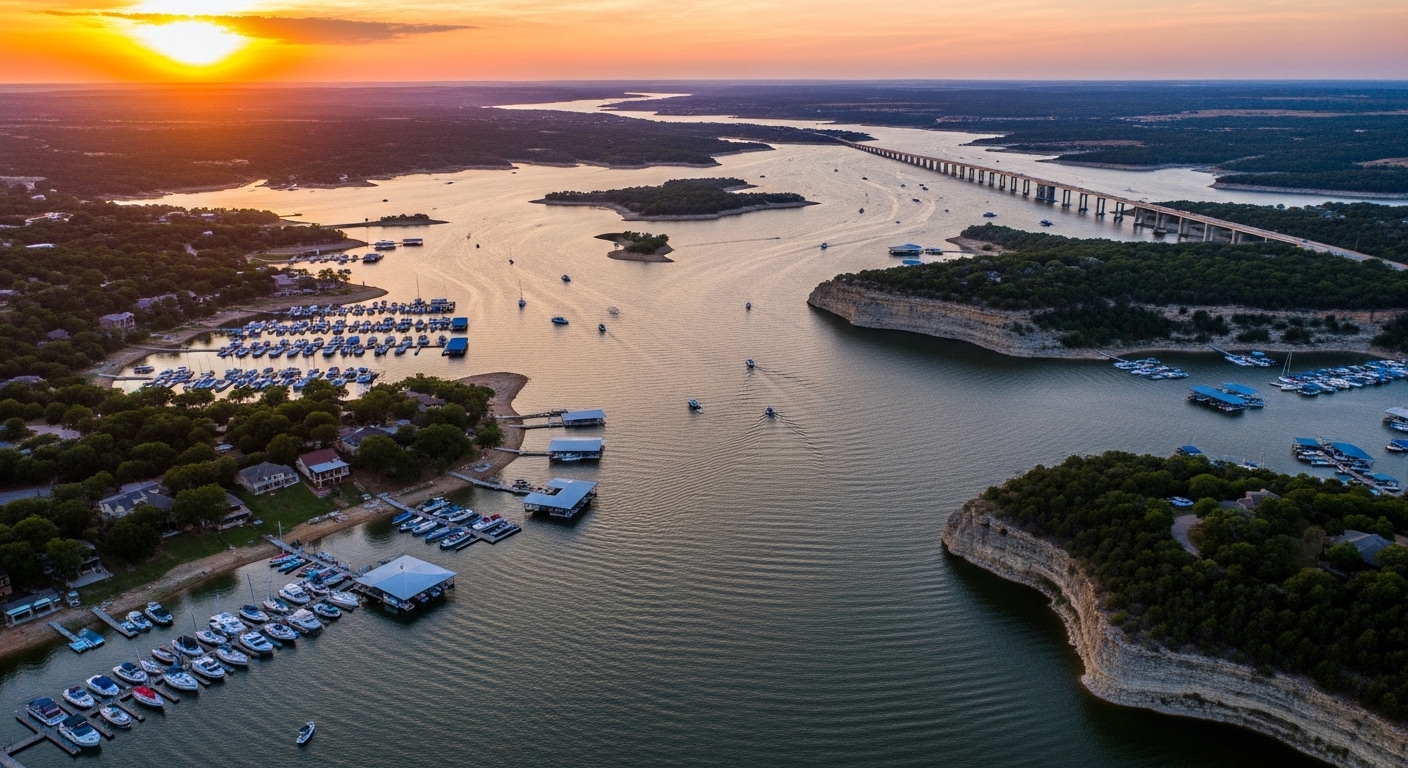
Lake Texoma Should Be Capitalized not just for grammar, but for culture. The name itself—Texoma—is a blend of Texas and Oklahoma, reflecting unity and cooperation across state lines. Created by the Denison Dam on the Red River, Lake Texoma serves as a symbol of engineering achievement, recreation, and shared regional pride.
Beyond grammar, the capitalization of Lake Texoma represents acknowledgment of its cultural impact. It’s more than a lake; it’s a hub for boating, fishing, and tourism, drawing millions of visitors each year. Properly writing Lake Texoma honors the communities that depend on it, the history it carries, and the natural beauty that continues to inspire travelers from across the nation.
Lake Texoma as a Symbol of Connection and Pride
Lake Texoma Should Be Capitalized because it embodies unity. Sitting at the crossroads of Texas and Oklahoma, it brings together cultures, economies, and traditions from both sides of the border. Whether you’re exploring its marinas, enjoying lakeside festivals, or simply admiring its sunset, the lake connects people from diverse backgrounds.
For locals, Lake Texoma is more than a destination—it’s a source of identity and pride. Properly capitalizing its name shows awareness and appreciation for that connection. Just as grammar represents order and precision, the capitalization of Lake Texoma conveys recognition of shared heritage, celebrating how nature and language intertwine to tell an American story.
Common Mistakes and Misunderstandings About Capitalization
A common mistake in writing is typing “lake texoma” without capital letters. While this might seem minor, it diminishes the formality and accuracy of the reference. Lake Texoma Should Be Capitalized every time it appears in professional writing, academic content, or travel publications. Failing to do so breaks the rule of naming specific places.
Another misunderstanding is assuming that capitalization depends on sentence placement. Whether in the middle of a sentence or at the beginning, Lake Texoma Should Be Capitalized consistently. This uniformity reinforces proper grammar and ensures the name retains its significance across all forms of communication—print, web, or media.
Why Proper Capitalization Matters in Modern Communication
In the digital age, writing correctly influences credibility and visibility. Lake Texoma Should Be Capitalized in online articles, travel blogs, and social media posts not only for grammatical correctness but also for search engine optimization. Capitalized names rank better on Google because they match exact user queries, enhancing discoverability.
Moreover, proper capitalization builds trust. Readers associate accuracy in language with professionalism. Whether you are a journalist, travel writer, or local historian, capitalizing Lake Texoma reflects respect for language and authenticity toward the landmark. Grammar, in this context, becomes a bridge between education and culture—showing that details matter in how we honor the world around us.
Conclusion
Lake Texoma Should Be Capitalized because it represents both a grammatical rule and a cultural truth. As one of America’s great reservoirs, it stands as a testament to unity, nature, and linguistic precision. Every time we capitalize Lake Texoma, we honor its history and reinforce respect for correct communication.
In a world where digital expression often overlooks grammar, the capitalization of Lake Texoma reminds us that names carry meaning, pride, and heritage. It’s not just about correctness—it’s about connection. Capitalizing Lake Texoma ensures that this magnificent landmark continues to be recognized with the dignity and importance it deserves.
Frequently Asked Questions (FAQs)
Why should Lake Texoma be capitalized?
Because it is a proper noun referring to a specific location, not a generic lake.
Where is Lake Texoma located?
Lake Texoma is situated on the border between Texas and Oklahoma, managed by the U.S. Army Corps of Engineers.
What does the name Texoma mean?
It combines “Texas” and “Oklahoma,” symbolizing cooperation between the two states.
Is it ever correct to write lake texoma in lowercase?
No. In formal writing, Lake Texoma Should Be Capitalized at all times.
Why is capitalization important for Lake Texoma online?
Proper capitalization improves SEO visibility, readability, and professional credibility.